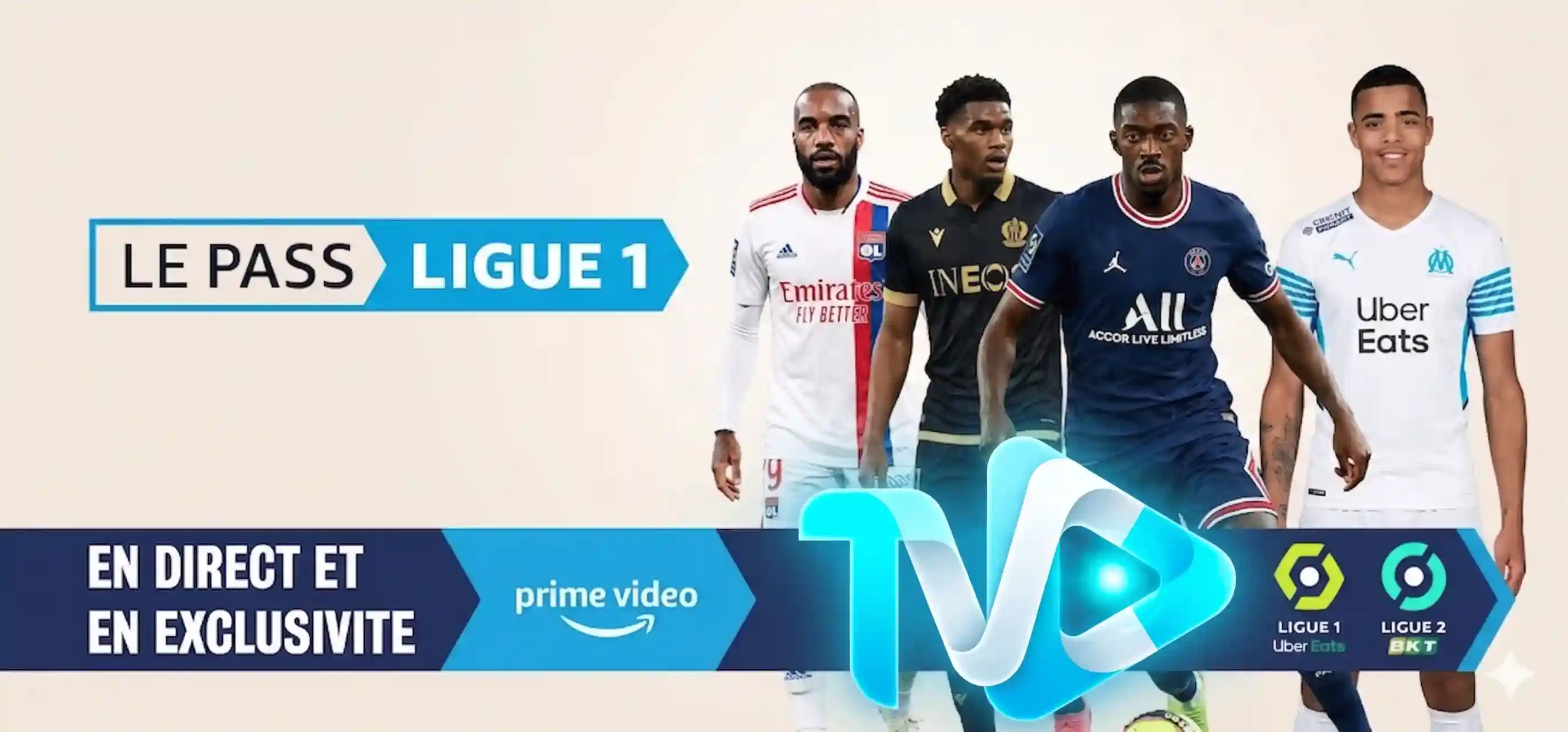
France boasts one of the most diverse and dynamic television landscapes in Europe, with a rich mix of public broadcasters, private networks, and regional players shaping the nation’s media culture. If you’re asking, “What are the main TV channels in France?”, you’re likely looking for a clear breakdown of the most influential and widely watched networks across the country. From historic public-service giants to modern commercial powerhouses, French television offers something for every viewer—whether you’re tuning in for news, drama, sports, or entertainment.
The French TV market is unique due to its strong tradition of public broadcasting, regulated by the Conseil supérieur de l’audiovisuel (CSA), which ensures pluralism and cultural diversity. At the same time, private channels have carved out significant audiences through bold programming and strategic acquisitions. Understanding the main TV channels in France means recognizing both the legacy institutions and the rising stars of French screen culture.
Top Public TV Channels in France
Public broadcasting plays a central role in France’s media ecosystem. Funded primarily through a television license fee and government subsidies, these channels are mandated to serve the public interest, promote French culture, and provide balanced news coverage. The main public broadcaster is France Télévisions, which operates several flagship channels.
France 2
France 2 is one of the most-watched channels in the country, known for its broad appeal and generalist programming. It airs news, entertainment shows, dramas, and major national events like the Tour de France and presidential debates. Its evening news program, Journal de 20 heures, is a staple in French households and sets the tone for national discourse.
France 3
France 3 focuses on regional content, offering localized news and cultural programming across France’s 13 metropolitan regions. This regional emphasis makes it a vital link between national narratives and local communities. It also produces acclaimed children’s shows and documentaries, reinforcing its role as a cultural educator.
France 4
Originally launched as a youth-oriented channel, France 4 has evolved into a hub for entertainment, including series, movies, and reality shows. It complements the more serious tone of France 2 and 3 by offering lighter, contemporary content that appeals to younger audiences.
France 5
France 5 is dedicated to educational and documentary programming. It features in-depth reports, scientific explorations, and cultural documentaries. Shows like C dans l’air and Envoyé spécial are known for their investigative journalism and intellectual rigor, making France 5 a go-to channel for informed viewers.
France Info
Launched in 2016, France Info is a 24/7 news channel available on TV, radio, and digital platforms. It provides continuous coverage with a focus on clarity, speed, and accuracy. Its minimalist visual style and round-the-clock updates make it a trusted source during crises and elections.
Leading Private TV Channels in France
While public channels uphold cultural and informational standards, private broadcasters drive much of the entertainment momentum in French television. These channels are commercially funded through advertising and subscriptions, allowing them to invest heavily in high-profile content.
TF1
TF1 is France’s most-watched private channel and a dominant force in the media landscape. Owned by Bouygues, it blends news, drama, reality TV, and international acquisitions. Popular shows include Koh-Lanta (the French version of Survivor), The Voice: la plus belle voix, and long-running soap Plus belle la vie. Its prime-time news program, Journal de 20 heures, competes directly with France 2’s offering.
M6
M6, part of the RTL Group, targets a younger demographic with a mix of entertainment, music, and reality programming. It’s known for hits like Nouvelle Star (the French Pop Idol), Top Chef, and Les Marseillais. M6 also airs popular American series dubbed into French, making it a gateway for international content.
C8 (Canal+)
Canal+ is a premium subscription channel that has expanded into free-to-air broadcasting with C8. It offers a mix of movies, sports, and original series. Known for its edgy content and bold branding, Canal+ has produced critically acclaimed French dramas like Engrenages (Spiral) and Baron Noir. Its sports coverage, especially football and rugby, attracts a loyal fanbase.
TMC
TMC, owned by the TF1 Group, combines entertainment with lifestyle programming. It airs game shows, talk shows, and acquired series. Its most famous export is Quotidien, a daily talk show hosted by Yann Barthès that blends news, satire, and cultural commentary. TMC also broadcasts major sporting events, including the UEFA Champions League.
W9
W9, part of the M6 Group, focuses on music, youth culture, and reality TV. It’s a go-to channel for music lovers, featuring live concerts, music documentaries, and shows like La France a un incroyable talent. W9 also airs American series and movies, often with a focus on pop culture trends.
Specialized and Niche TV Channels
Beyond the mainstream, France supports a vibrant ecosystem of specialized channels catering to specific interests. These niche broadcasters reflect the country’s commitment to media pluralism and cultural diversity.
Arte
A Franco-German cultural channel, Arte promotes European art, cinema, and intellectual discourse. It features documentaries, arthouse films, and philosophical debates. Available in both French and German, Arte appeals to cultured viewers seeking depth and international perspectives.
NRJ 12
Launched by the NRJ radio group, NRJ 12 targets a young audience with music, entertainment, and reality shows. It’s known for high-energy programming and celebrity interviews. The channel often collaborates with pop stars and influencers to stay relevant in the fast-changing media landscape.
Gulli
Gulli is a children’s channel owned by the Lagardère Group and France Télévisions. It airs cartoons, educational shows, and family-friendly series. Popular programs include Miraculous: Tales of Ladybug & Cat Noir and Pokémon. Gulli plays a key role in shaping children’s media consumption in France.
Chérie 25
Chérie 25, also part of the NRJ Group, focuses on lifestyle, entertainment, and music. It features talk shows, reality TV, and celebrity gossip. Its programming is designed to appeal to women and younger viewers, with a strong emphasis on pop culture and fashion.
TV5Monde
While primarily an international channel, TV5Monde is a key player in promoting French language and culture globally. It broadcasts French-language content to over 350 million households worldwide. For French viewers, it offers a window into global Francophone media and international news.
Regional and Local TV Channels
France’s regional diversity is reflected in its local television offerings. These channels provide hyper-local news, events, and cultural content, often filling gaps left by national networks.
France 3 Régions
As mentioned earlier, France 3 operates regional branches that produce local news magazines, documentaries, and community programs. Examples include France 3 Alsace, France 3 Bretagne, and France 3 Provence-Alpes. These branches ensure that even rural areas stay connected to national and local affairs.
La Chaîne Parisienne
This Paris-focused channel covers city politics, culture, and events. It’s a valuable resource for Parisians wanting in-depth coverage of municipal issues and urban life.
TV78 (now part of France 3)
Previously an independent regional channel, TV78 was absorbed into France 3’s regional network. It continues to serve the Île-de-France area with local news and community programming.
Digital and Streaming Platforms Shaping French TV
The rise of digital platforms has transformed how French audiences consume television. While traditional channels remain strong, streaming services are increasingly influential.
Salto
Salto is a French streaming platform launched by France Télévisions, TF1, and M6. It offers live TV, on-demand content, and exclusive series. As a homegrown alternative to Netflix, Salto aims to preserve French content in the digital age.
Canal+
Beyond its linear channels, Canal+ operates a robust streaming service with premium content, including original series, movies, and sports. Its app allows subscribers to watch live TV and catch up on missed programs.
Netflix, Amazon Prime, and Disney+
International platforms have a growing presence in France. Netflix, in particular, has invested heavily in French productions like Lupin and Call My Agent!, which have gained global acclaim. These services complement traditional TV by offering on-demand flexibility.
How French TV Channels Are Regulated
The French media landscape is governed by strict regulations designed to ensure fairness, diversity, and cultural protection. The Conseil supérieur de l’audiovisuel (CSA) oversees licensing, content standards, and advertising limits.
- Public Service Mandate: Public channels must dedicate a percentage of airtime to European and French-produced content.
- Advertising Restrictions: There are limits on ad duration, especially during children’s programming and prime time.
- Pluralism Rules: No single entity can control more than 49% of the national TV market to prevent monopolies.
- Language Requirements: A significant portion of programming must be in French, protecting the national language.
These regulations help maintain a balanced media environment where both public and private channels can thrive without dominating the market.
Key Takeaways: What Are the Main TV Channels in France?
- France Télévisions operates the main public channels: France 2, France 3, France 4, France 5, and France Info.
- TF1 is the leading private channel, known for entertainment, news, and reality TV.
- M6 and Canal+ are major private players with strong youth and premium content offerings.
- Specialized channels like Arte, NRJ 12, and Gulli cater to niche audiences.
- Regional channels under France 3 ensure local representation across the country.
- Streaming platforms like Salto and international services are reshaping viewing habits.
- Regulatory oversight by the CSA ensures media pluralism and cultural protection.
Frequently Asked Questions (FAQ)
What is the most popular TV channel in France?
TF1 consistently ranks as the most-watched channel in France, thanks to its broad appeal, prime-time entertainment, and strong news coverage. France 2 follows closely, especially during major national events.
Are French TV channels free to watch?
Yes, most major channels like TF1, France 2, M6, and France 3 are free-to-air and funded by advertising and license fees. However, premium channels like Canal+ require a subscription.
Can I watch French TV channels online?
Absolutely. Most channels offer live streaming and on-demand content through their websites or apps. Platforms like Salto, France.tv, and TF1.fr provide access to live broadcasts and archived programs.
Conclusion
Understanding what are the main TV channels in France means recognizing a media landscape shaped by tradition, regulation, and innovation. From the public service ethos of France Télévisions to the commercial dynamism of TF1 and M6, French television reflects the nation’s cultural richness and democratic values. Whether you’re a local viewer or an international fan, the diversity of French TV ensures there’s always something compelling to watch. As digital platforms continue to evolve, the future of French television promises even greater accessibility and creativity.